Free exercise library
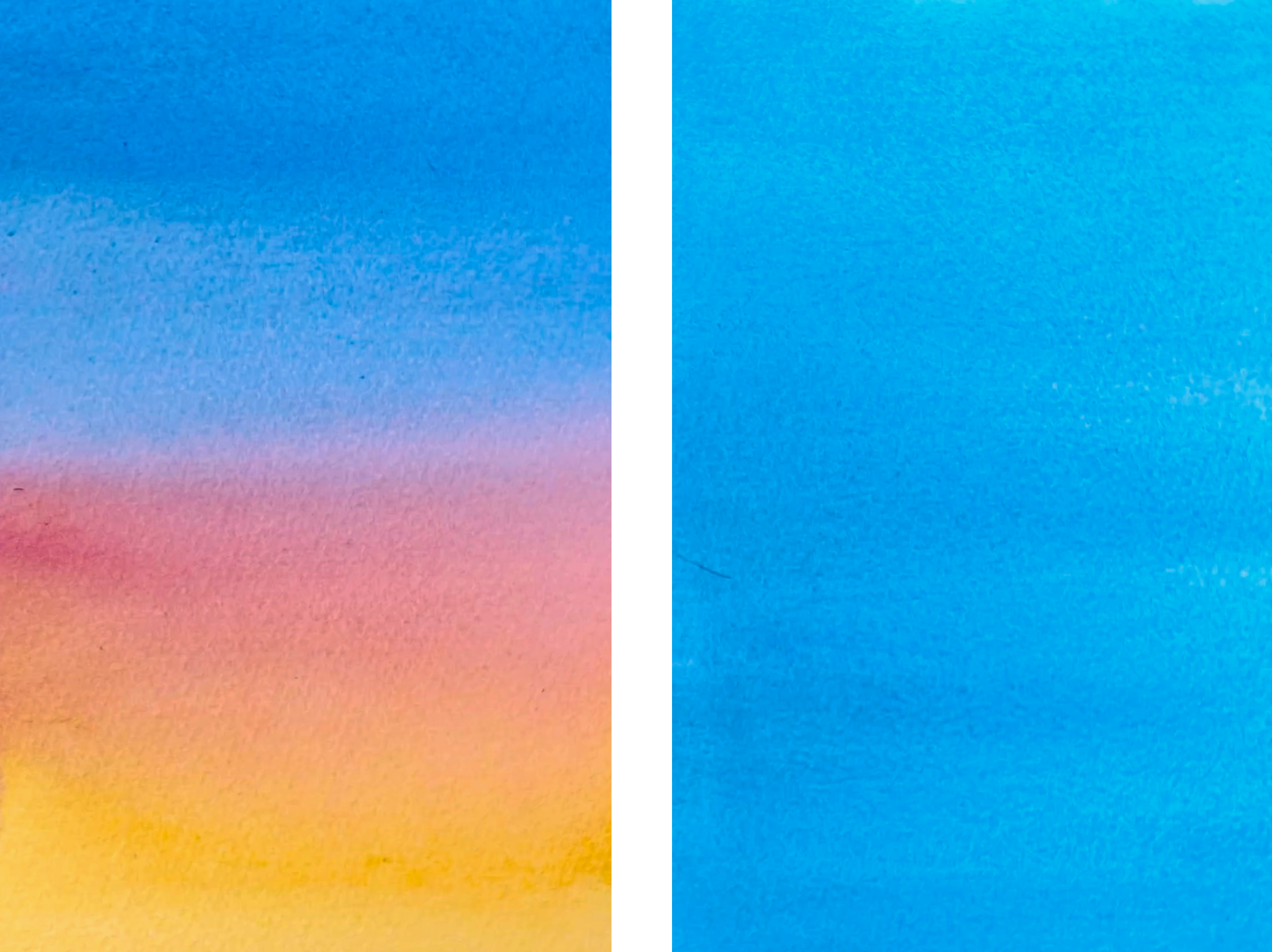
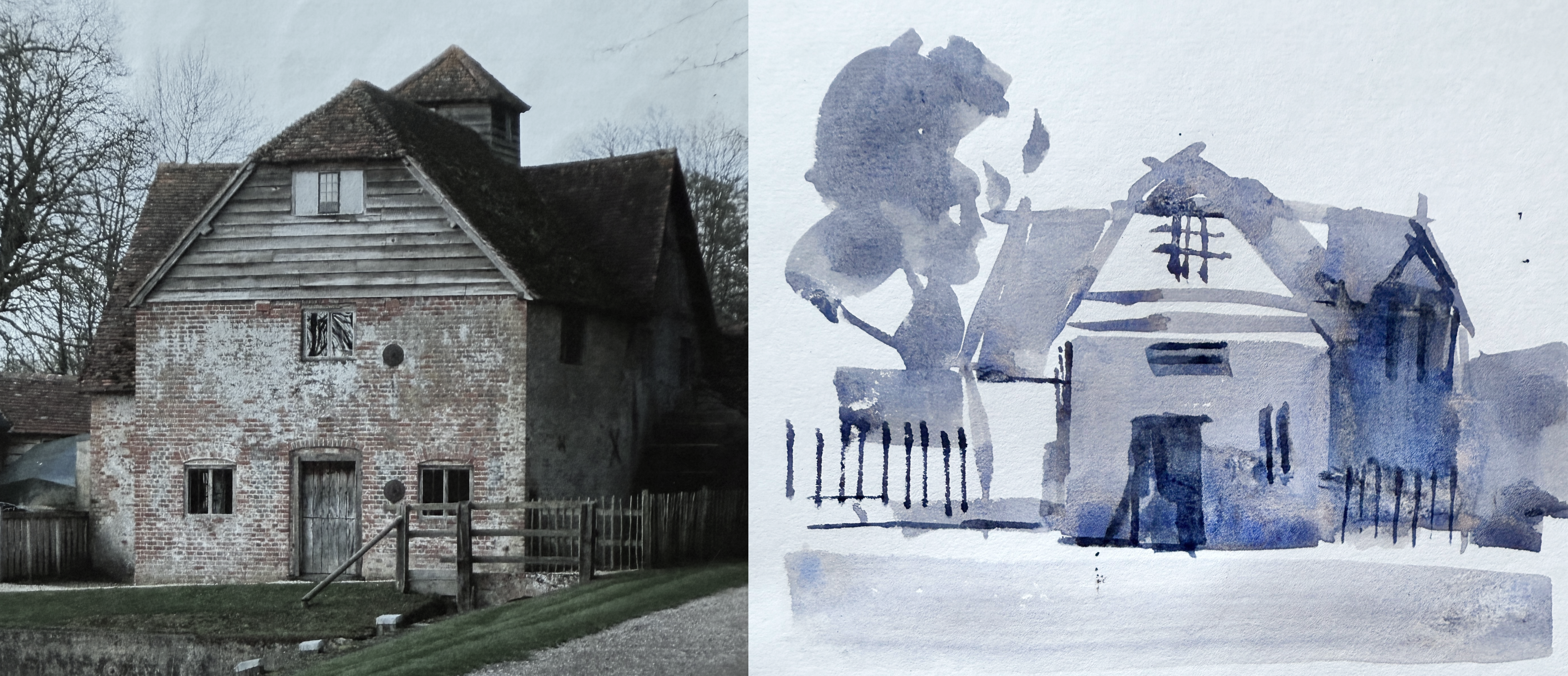
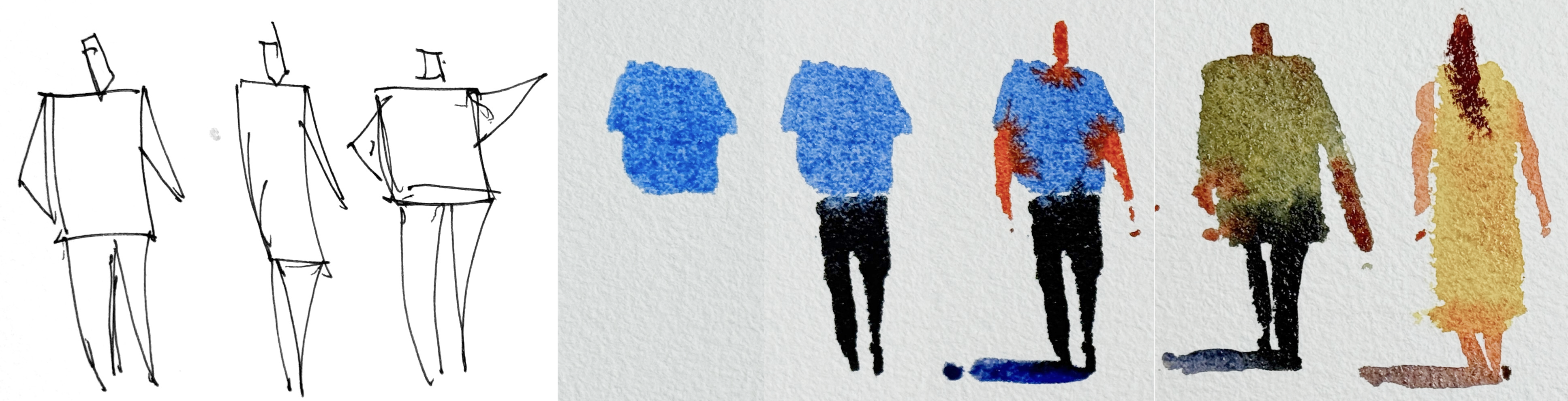
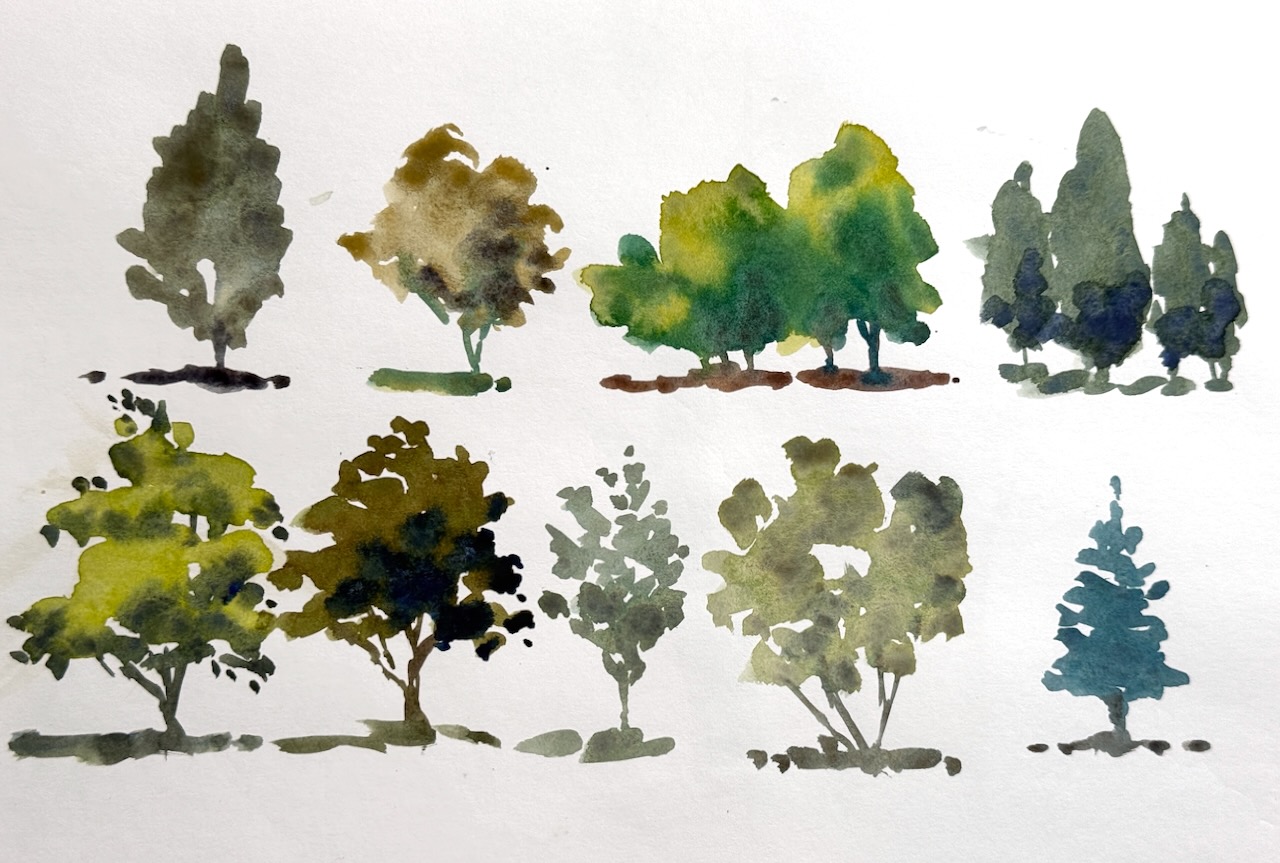
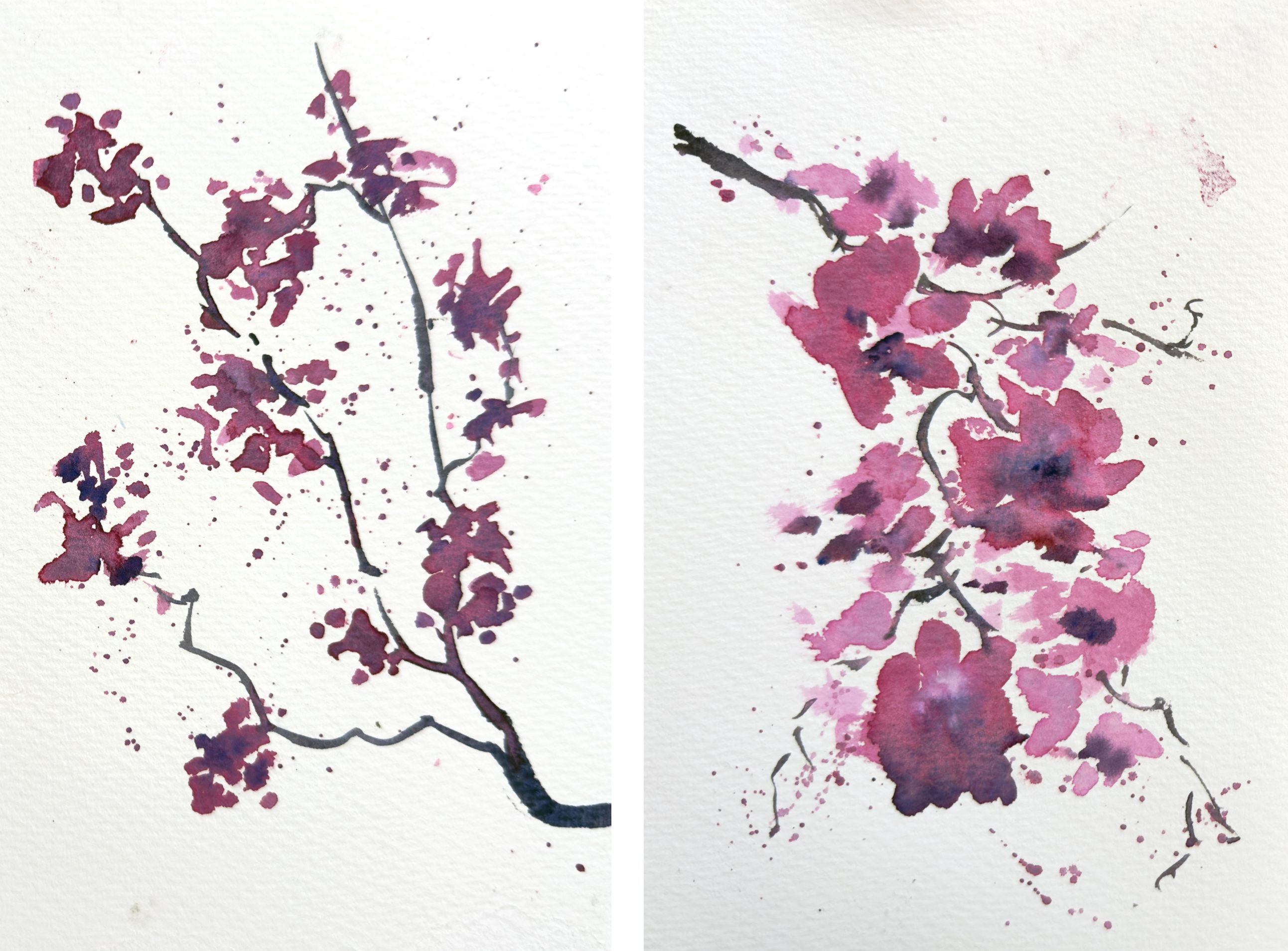
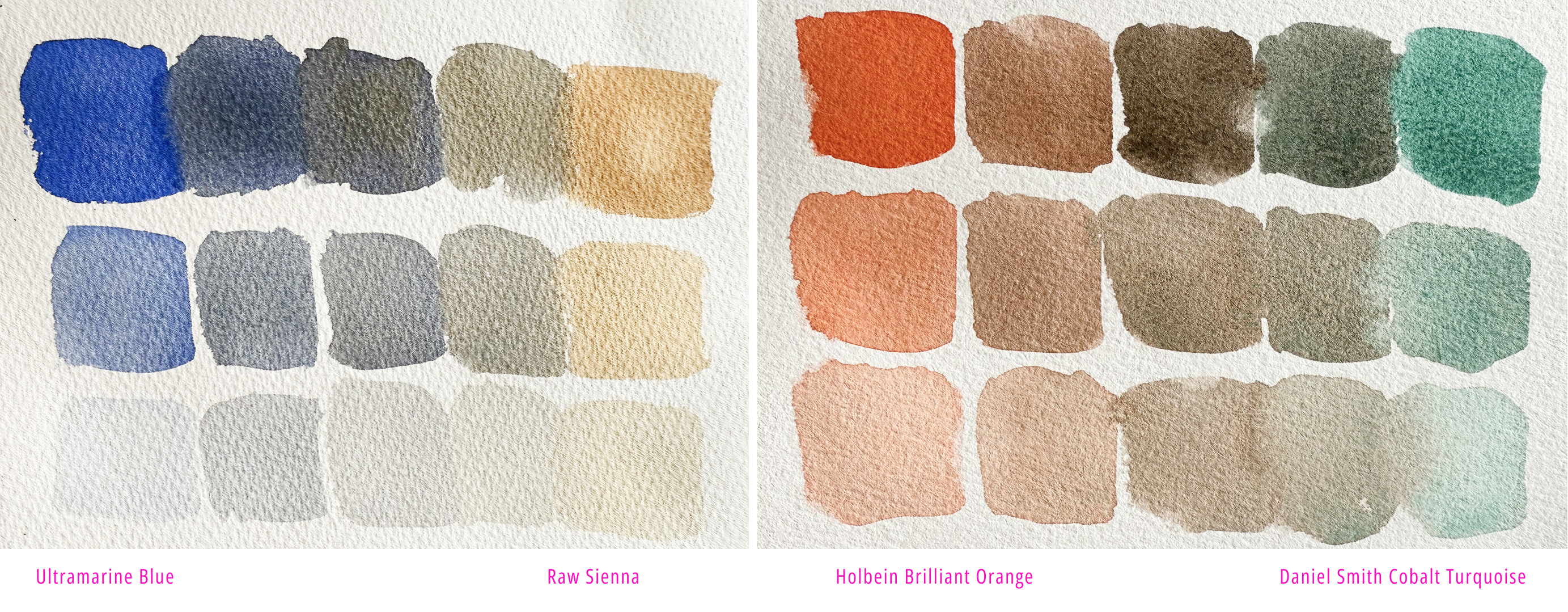
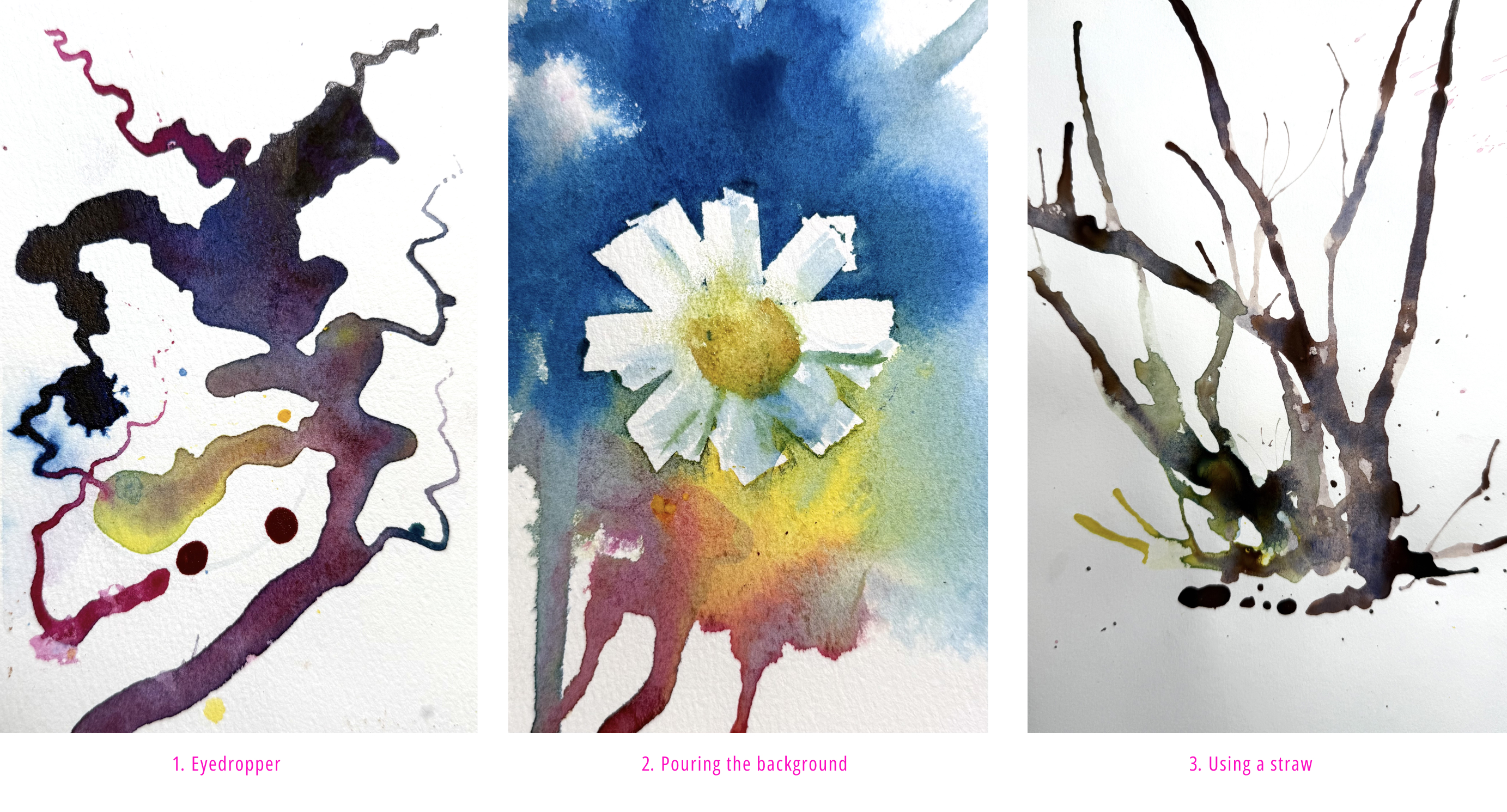
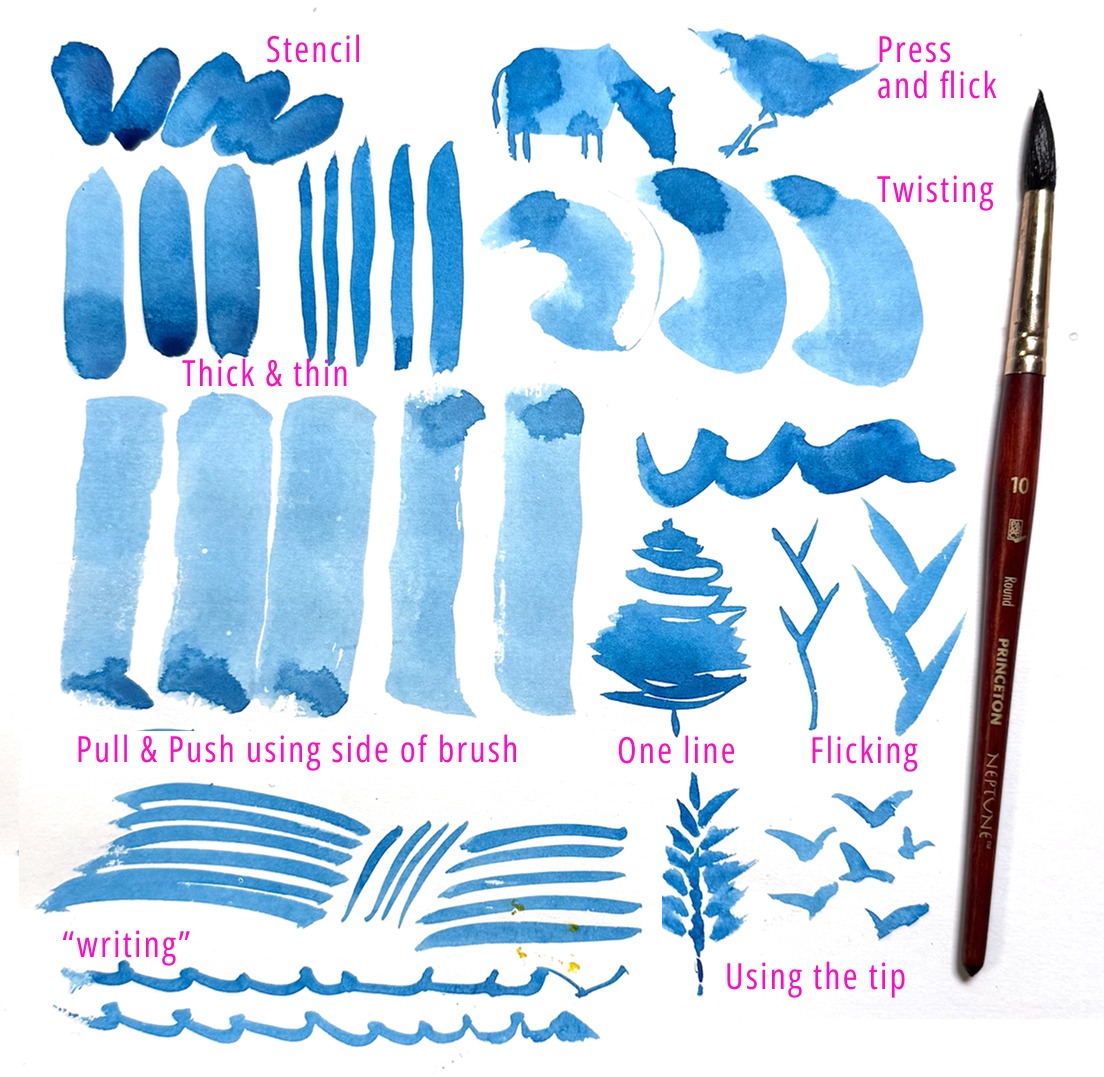
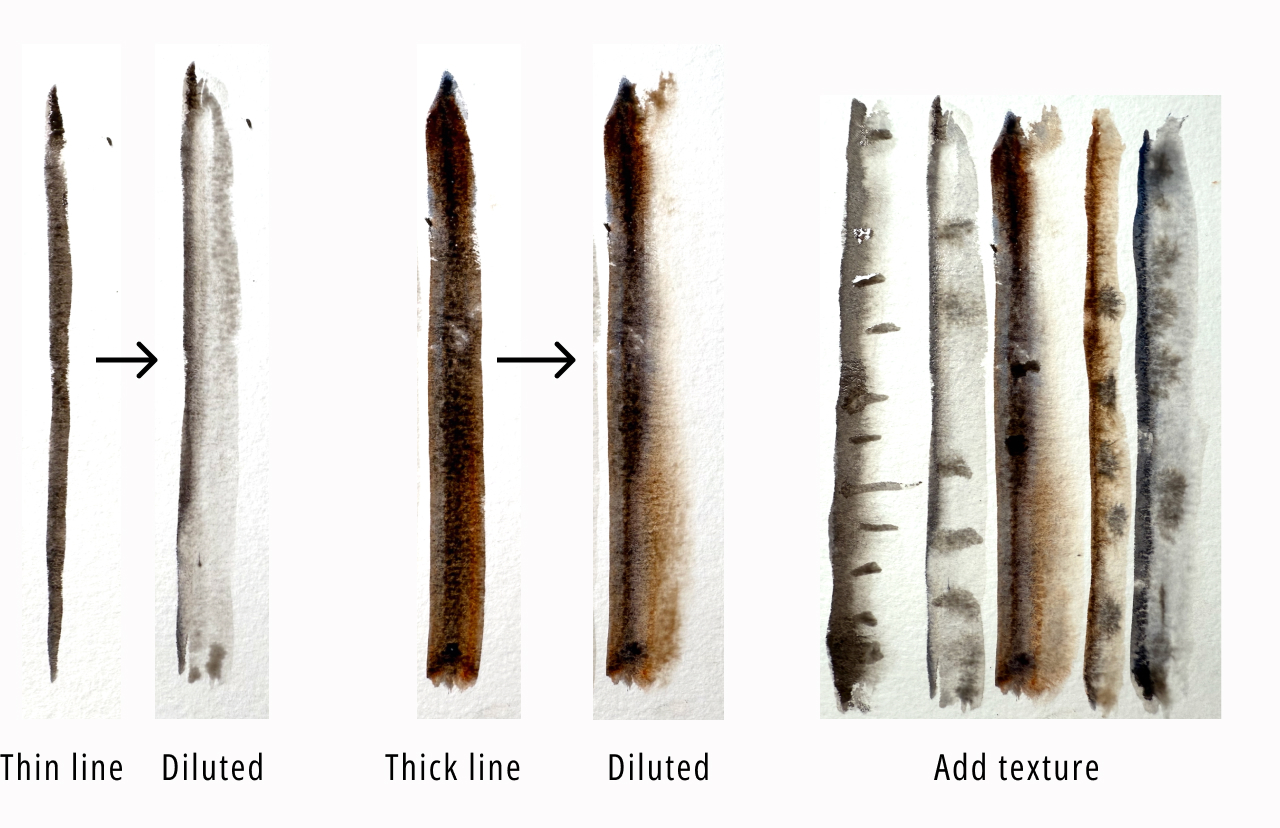
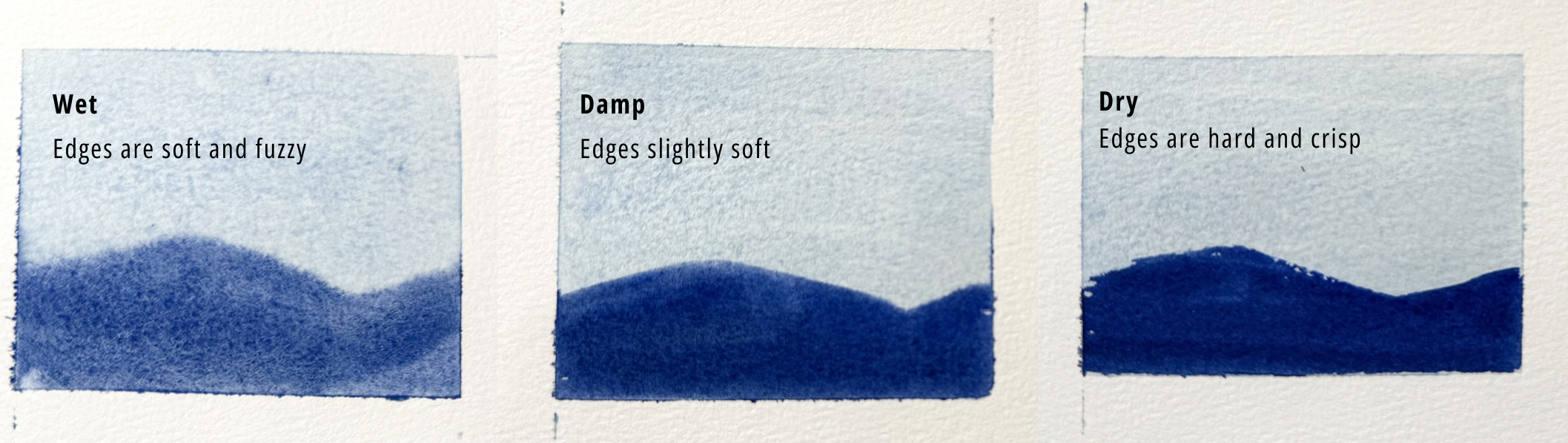
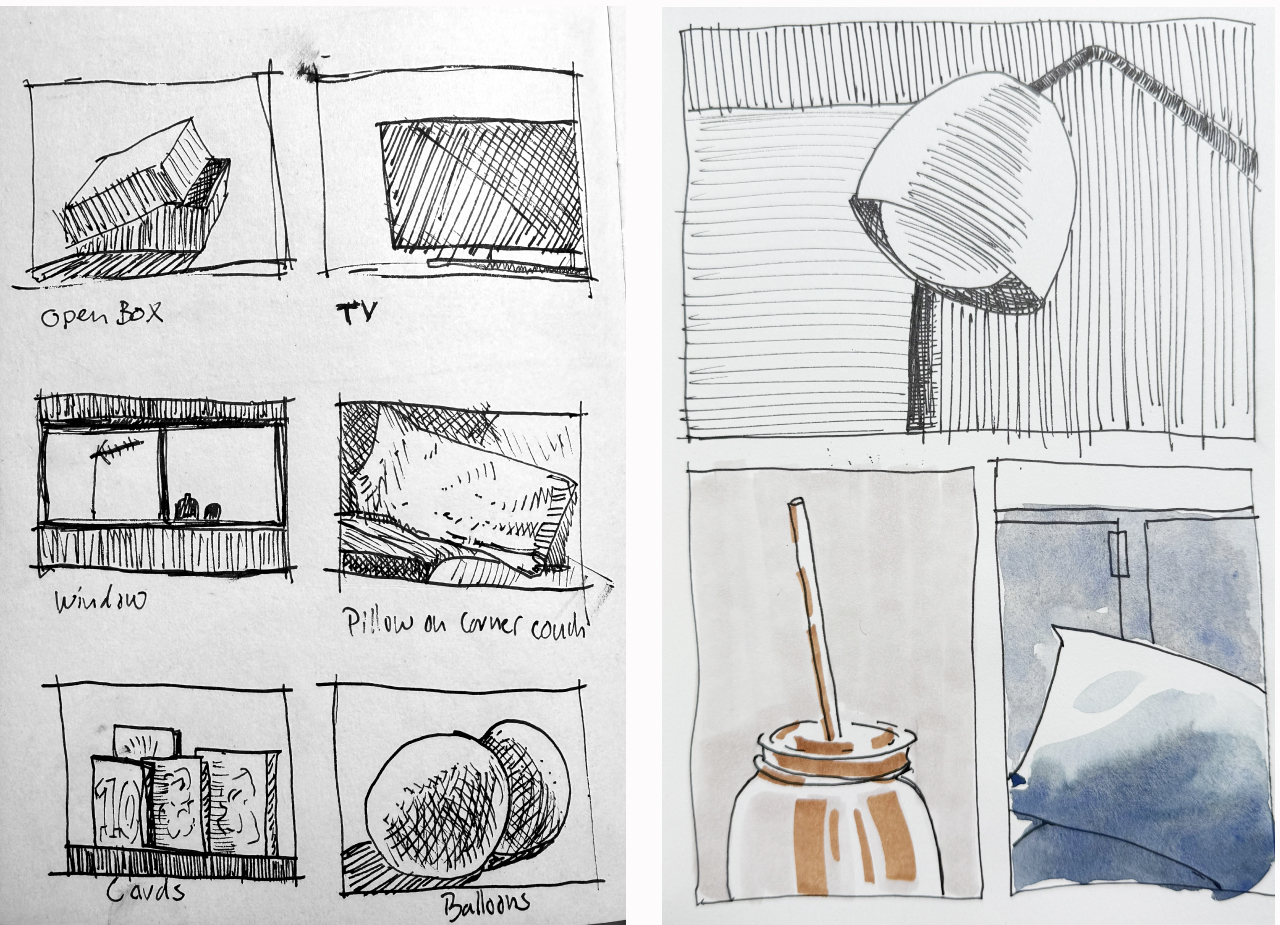
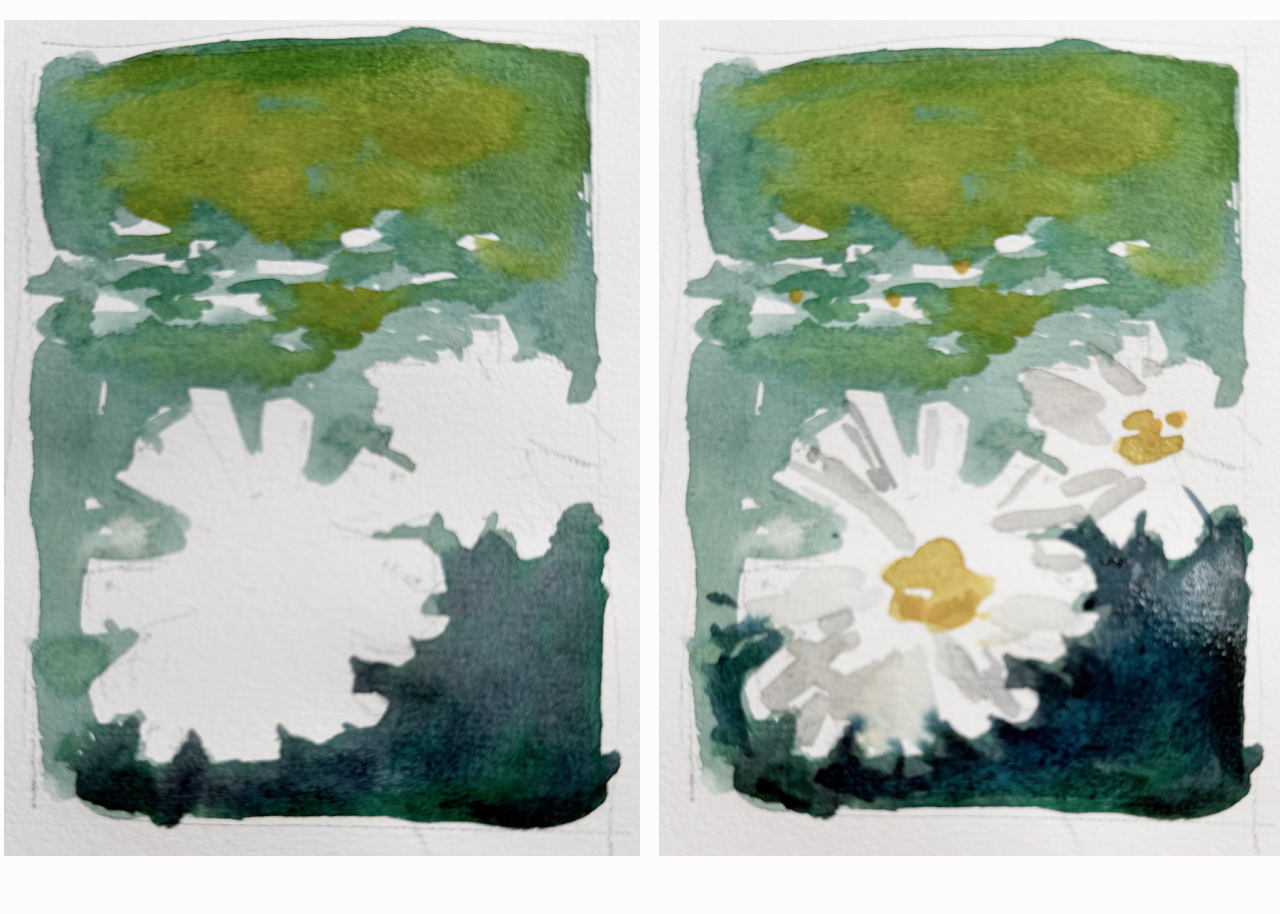
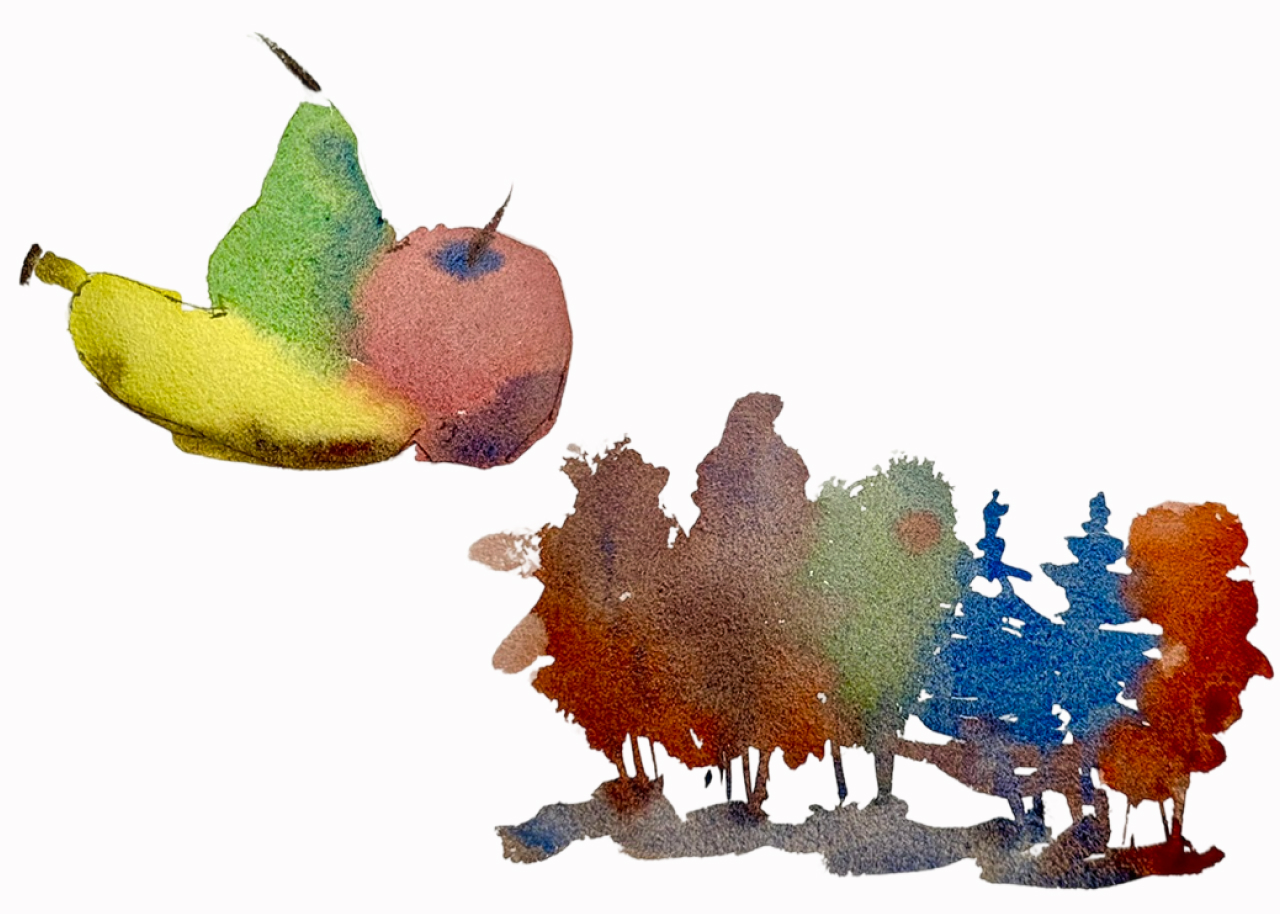
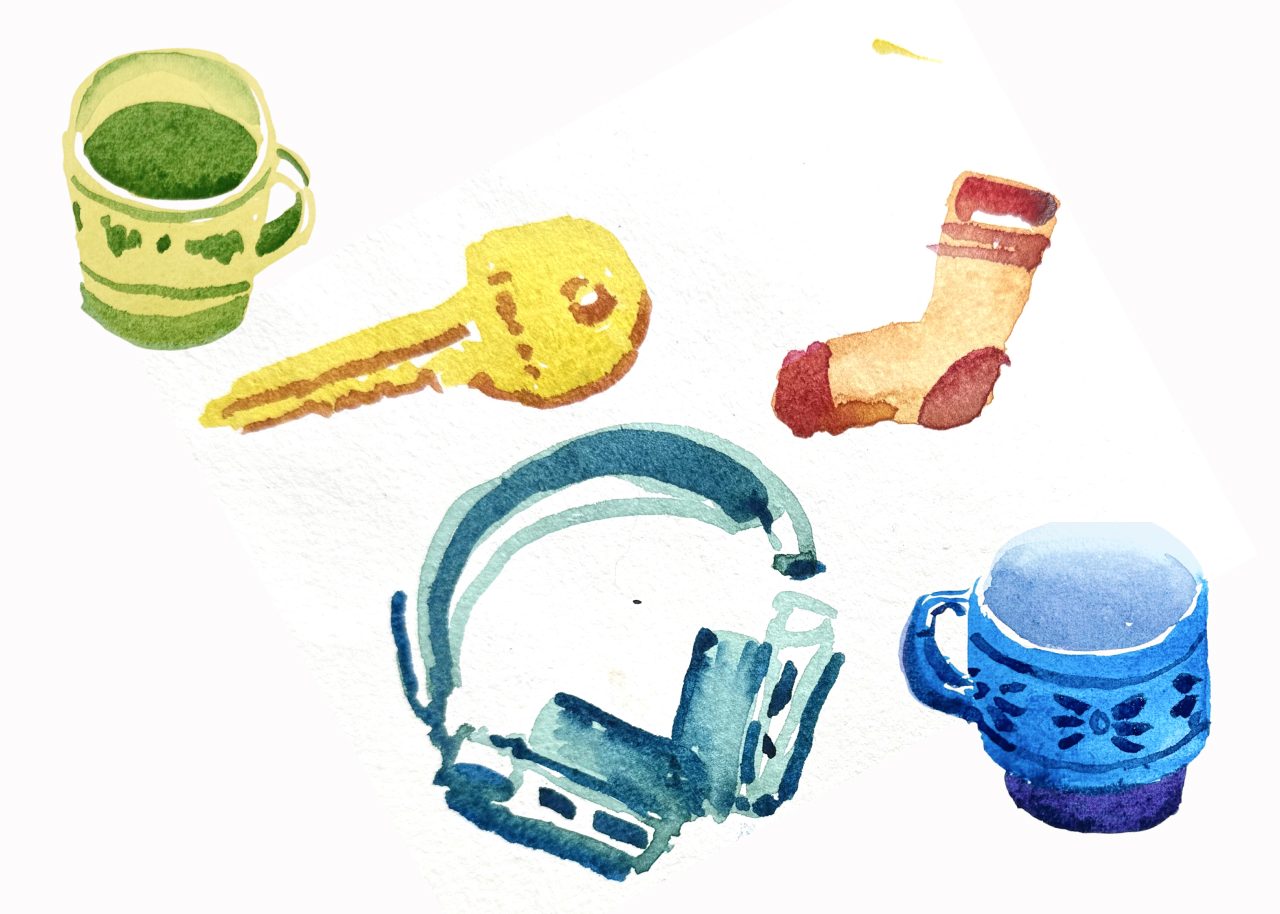
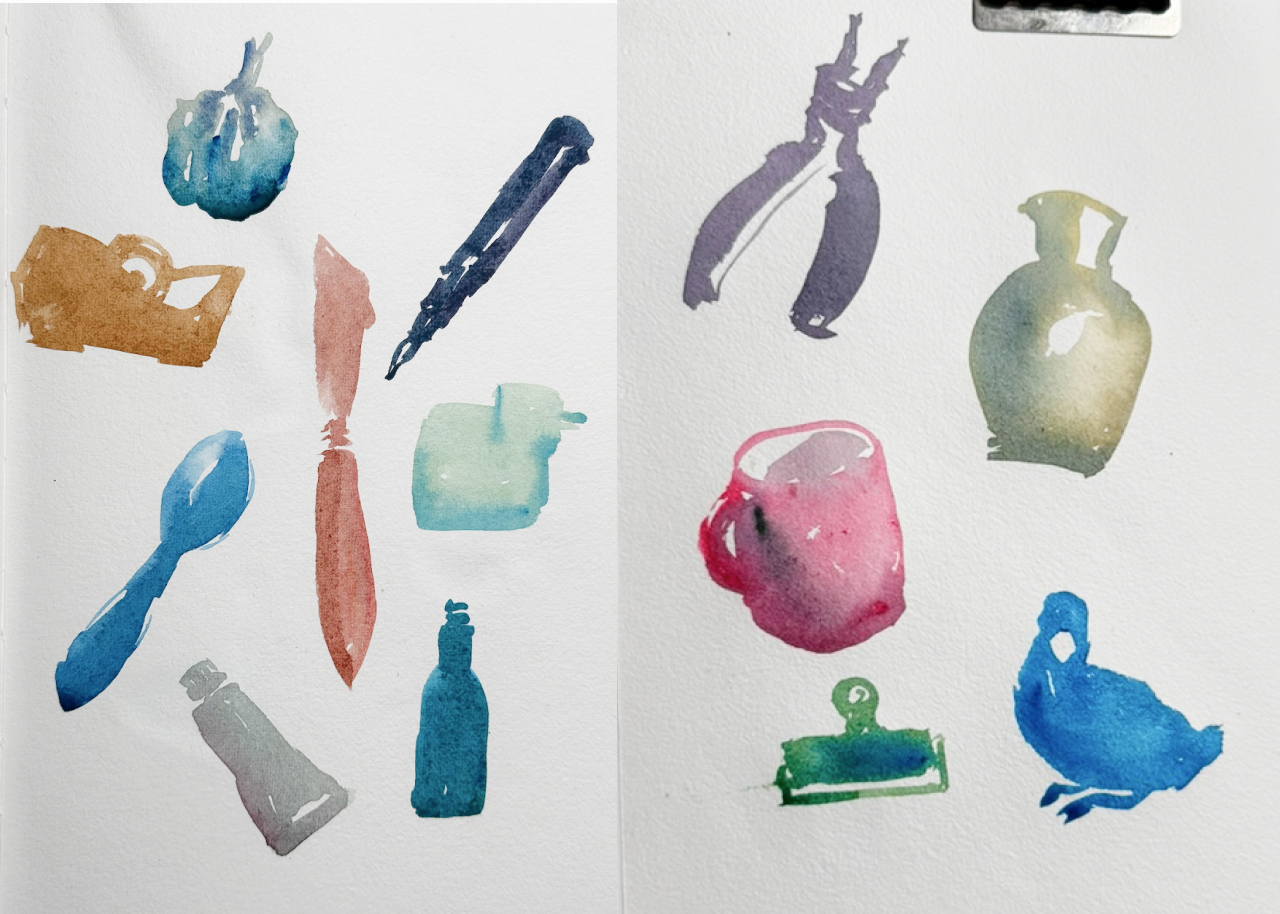
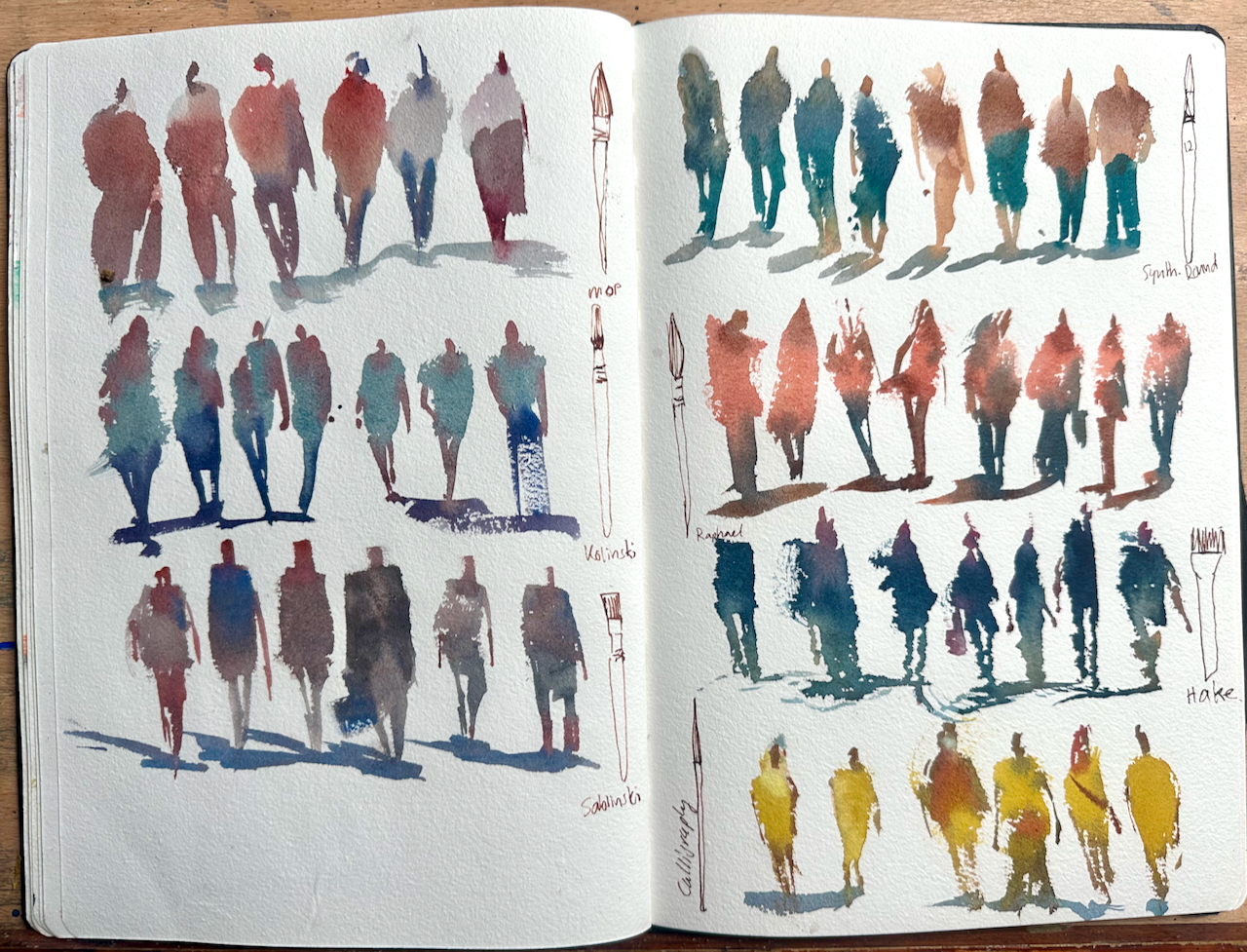
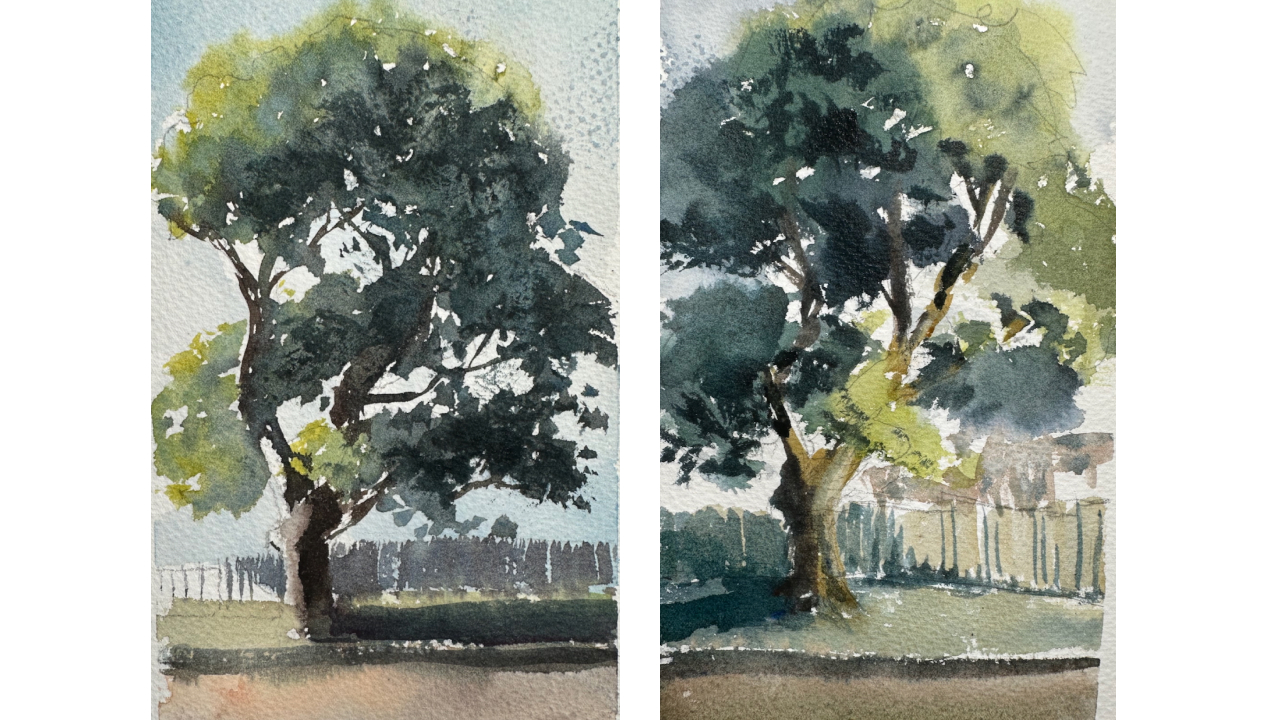
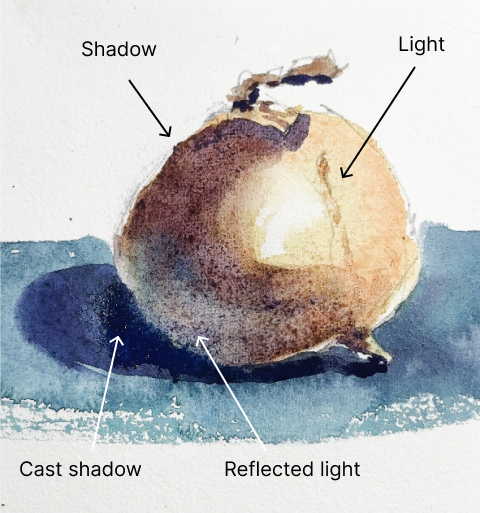
A comprehensive library of exercises to build your skills systematically — from water control and values to colour mixing and composition. Each one is designed for a focused 15-minute practice session.
New to watercolour?
Feeling overwhelmed by where to begin? These curated lists cut through the noise and point you straight to the exercises that will make the biggest difference.
The mental side of painting
Watercolour technique matters. But so does how you think about learning, failure, and progress. This page covers the mental habits that separate artists who get stuck from those who keep growing.
Here's something I genuinely believe: it doesn't matter what age you are, or what skill level you have. You can start being creative at any point in your life. With the right amount of practice and passion, you can get as good as you want to get.
I didn't have formal art education or training. I learned the same way you're learning now—through books, online courses, working with teachers and mentors. In seven or eight years, I developed a style and skill level I'm proud of.
If I can do it, so can you. I genuinely believe that.
My philosophy is all about progressive improvement. Every time you paint, you get a little bit better than the last time. Not dramatically better. Not overnight transformation. Just a little bit better.
Compound those small improvements over weeks and months, and suddenly you're painting at a level you couldn't have imagined when you started.
A cornerstone of my philosophy is repetition and consistency. Once I started painting very consistently—even for short periods, fifteen to twenty minutes a day—that's when things really clicked.
Every day I do something related to watercolour. An exercise, a small painting, some sketching. Just something that connects me to my art practice. That consistency is how you improve over time.
Here's a tip that accelerated my learning more than anything else: don't just paint something once and move on. After every painting or exercise, think critically about what went well and what you want to improve. Then do it again.
It's when you redo paintings multiple times, really focusing on improving a particular area—that's when you slowly move forwards. And then suddenly, your growth speeds up.
Those "failed" paintings aren't failures—they're stepping stones. Every single one teaches you something. The artists who improve fastest are the ones who can look at an unsuccessful painting, identify what went wrong, and try again without beating themselves up.
At some point, you have to be able to assess your own work without someone holding your hand. Here are the questions I ask myself when I review my paintings:
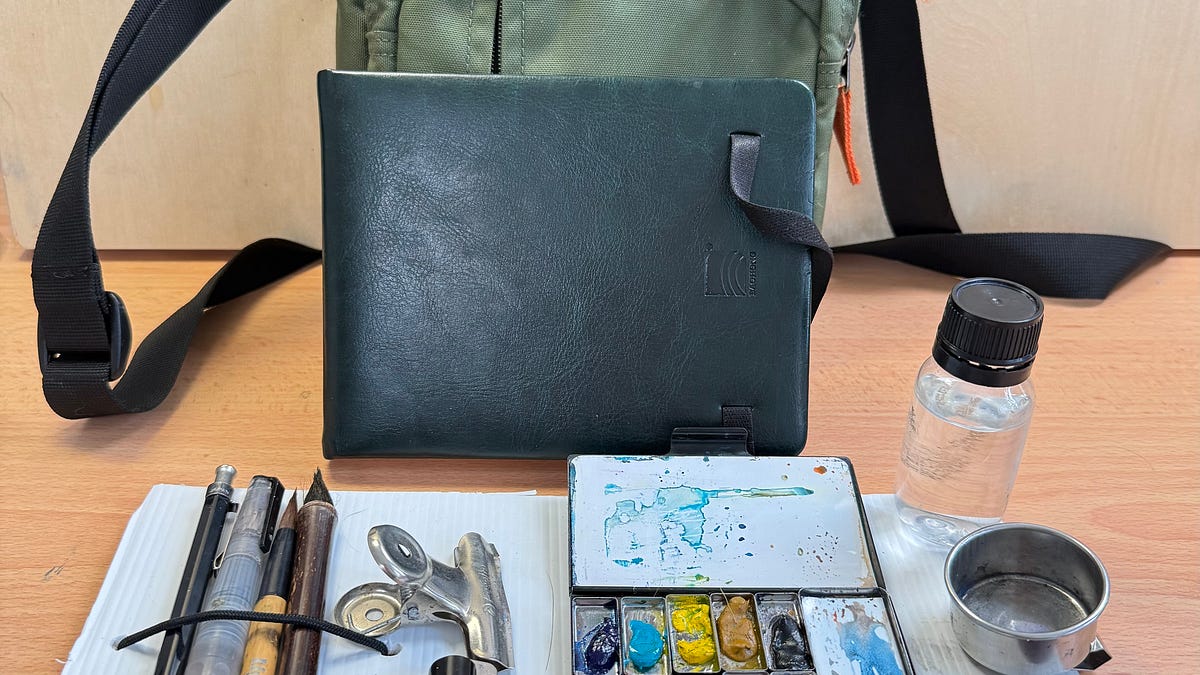
Don't get hung up on materials. I use basic colours—reds, yellows, blues. Basic brushes—just some rounds. You can upgrade later if you want. But it's not required.
It's not the equipment that makes the difference. It's you.
Be consistent. Be patient with yourself. Don't expect perfection every time. Now go make some art.
The artist behind the workouts
Patrick Visser is a watercolour artist based in Sydney, Australia. Having spent his younger years as a musician, Patrick sees rhythm and improvisation as integral to creative expression. He discovered in watercolour a medium that mirrors his love for simplicity, imperfection, and discovery.
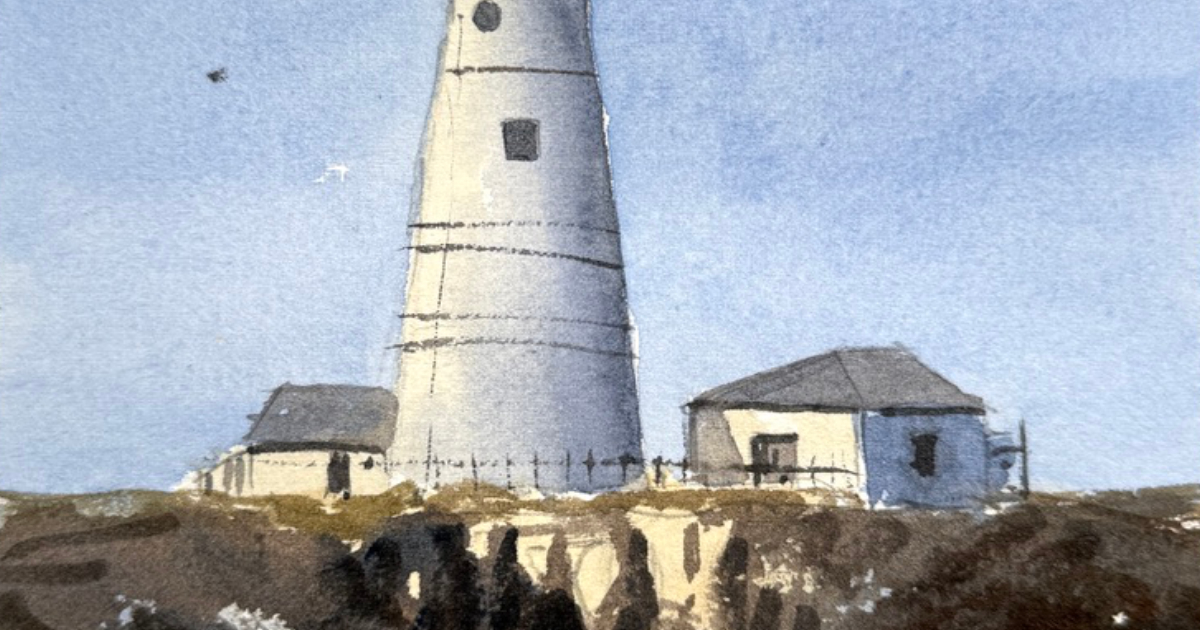
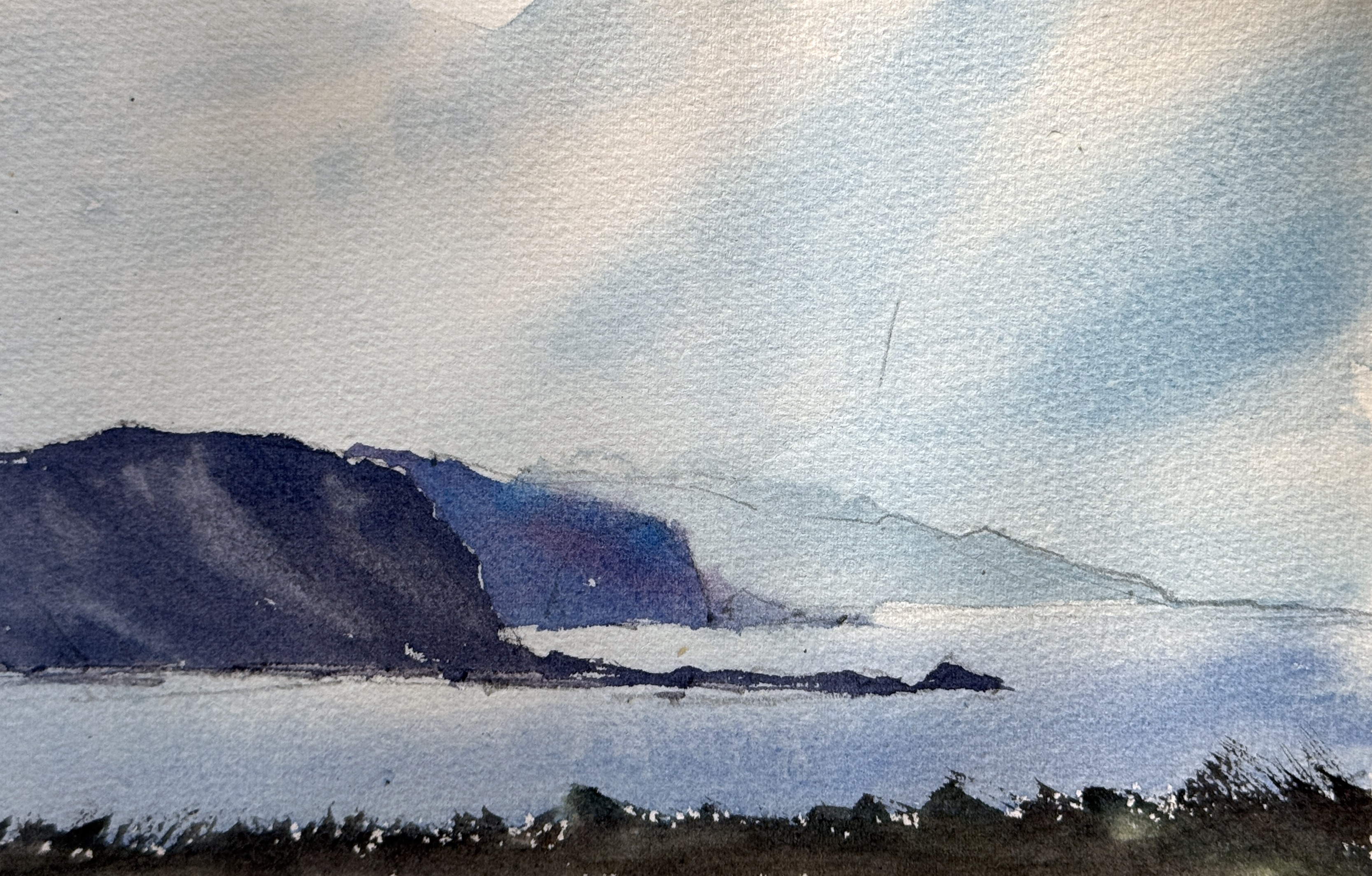
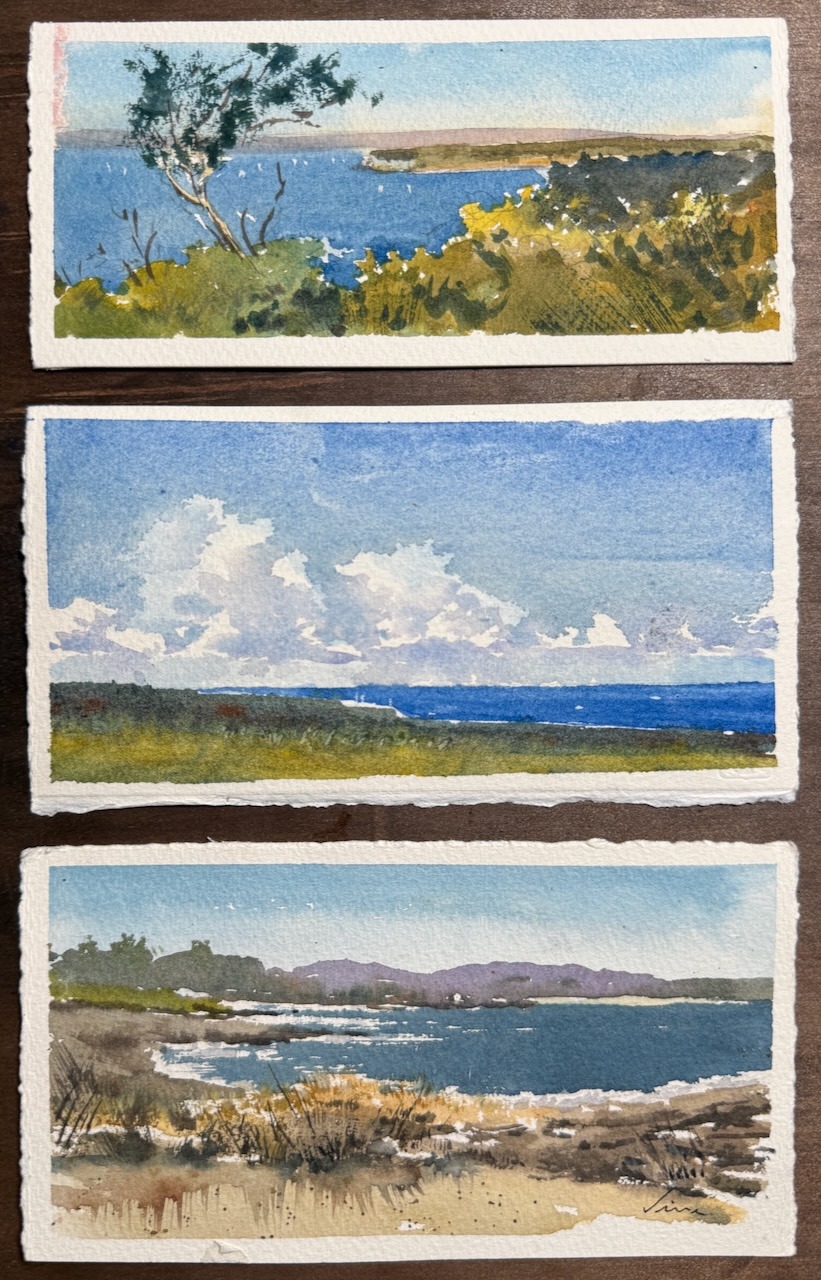
His paintings — often atmospheric landscapes and natural scenes — aim to evoke a sense of place through light, shadow, and suggestion rather than fine detail.
Patrick is drawn to the challenge of balancing looseness with structure, combining bold connected shapes with subtle transitions in value and colour. He prefers working in as few layers as possible, allowing the water and pigment to do the work — embracing the happy accidents that make watercolour such a rewarding medium.
Watercolour Workout is Patrick's approach to learning and teaching watercolour through deliberate practice. Each week, subscribers receive a focused 15-minute exercise designed to build specific skills — from water control and value studies to colour mixing and brush techniques.
His goal is to encourage beginners and hobbyists to paint with confidence, embrace imperfection, and enjoy the lifelong process of learning.
Join the Watercolour Workout community on Substack for weekly exercises, painting tips, and encouragement on your watercolour journey. Whether you're picking up a brush for the first time or returning after years away, you're welcome here.
Join thousands of painters building their skills with 15-minute focused workouts.
Subscribe on Substack — it's free